Save Your Smile With Root Canals in Lenexa
Root canal therapy is a dental treatment that removes infected tissue from inside your tooth. After removing the tissue, your dentist cleans inside the tooth and seals it to protect it from future damage. A root canal in Lenexa will stop your pain and help you keep your natural smile. You can look forward to biting and chewing comfortably again. It also prevents infection from spreading to nearby teeth and gums. Dealing with an emergency? Established patients can be seen after hours and on weekends. Don't wait and suffer with a tooth that hurts! You'll find our office at 8615 Rosehill Road, Suite 101, in Lenexa.
Hear How We Can Relieve Your Toothache ASAP. Read video transcript.
We Make Your Root Canal an Easy Process
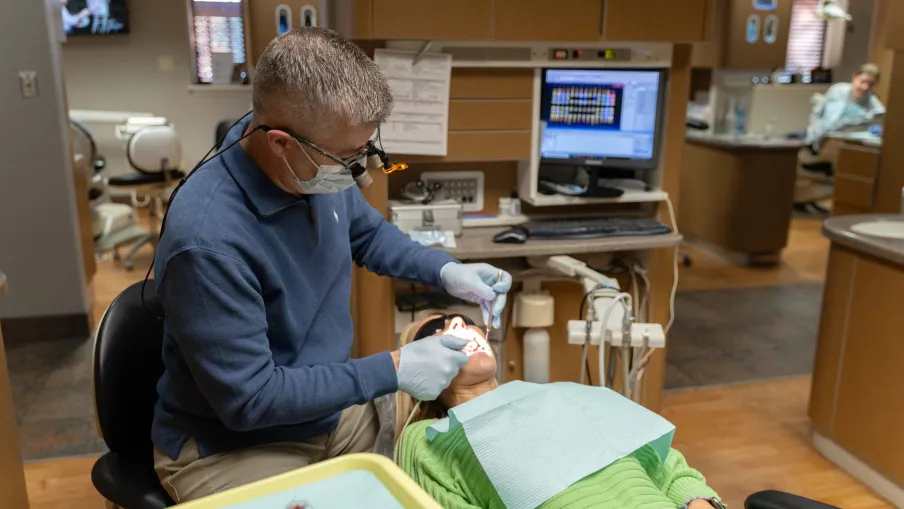
You don't need to feel scared when you hear the words "root canal." This treatment has a bad reputation it does not deserve. With today's technology, a root canal usually feels a lot like getting a regular filling. Our goal is to help you feel better as quickly and comfortably as possible. We make getting a root canal in Lenexa a stress-free experience.
Optional Oral Sedation
If you feel nervous, your dentist can prescribe a small pill for you to take before your appointment. By the time you’re in the chair, you will feel calm and relaxed.
Syringe-Free Numbing
We use The Wand® system to numb the tooth that needs treatment. This means you can stay comfortable during the procedure without the typical needle sting.
Gentle Infection Removal
After your tooth is numb and you feel relaxed, we remove the infected tissue. We'll completely clean inside your tooth to remove any diseased areas.
Prevent Future Infections
Once the infection is gone, we fill the cleaned space with a safe, rubber-like material. This helps keep bacteria from getting back inside the tooth.
Capped With a Crown
In most cases, we finish by placing a custom dental crown. It strengthens the tooth and helps it look and function just like it did before.
Ongoing Monitoring
During your checkup, we'll examine the treated tooth for any recurring infections. We also monitor the tooth for stability to ensure you maintain strong bite function.
Common Questions About Root Canals
Why get a root canal instead of extraction?
Why get a root canal instead of extraction?
Inside every tooth is soft tissue called pulp, which contains nerves and blood vessels. When this pulp becomes infected or badly inflamed, it can cause severe discomfort. If left untreated, the infection can spread and lead to an abscess. A root canal removes the infected pulp and stops the pain, allowing you to keep your regular tooth. It's easier to recover from a root canal than from an extraction, and you avoid the need for a replacement tooth.
How do I know if I might need a root canal?
Common signs you may need a root canal include strong tooth pain, especially when chewing or biting, or pain that wakes you up at night. You may notice sensitivity to hot or cold that lingers even after the source is gone. The tooth may look darker than the surrounding teeth. The gum tissue near the tooth could be swollen or tender. Only a dentist can confirm if a root canal is needed, so it's important to schedule an exam if you notice these symptoms.
Will a root canal hurt?
The goal of root canal treatment is to stop your pain, not cause more. We fully numb the area around your tooth with syringe-free anesthesia with The Wand®. This makes numbing easier for you. If you feel nervous, oral sedation can help you relax during the visit. You may feel some pressure or movement, but you should not feel sharp pain.
What happens during a root canal appointment?
First, we examine your tooth and may take X-rays to see the extent of the infection. We then numb the tooth and the surrounding area. Next, we reach the infected pulp and carefully remove the infected tissue. Your dentist will clean and shape the root canals inside the tooth. Then, we fill the canals with a safe material and seal them. In many cases, we will place a temporary or permanent crown over the tooth to protect it.
How should I care for my tooth after a root canal?
After a root canal, you should follow any instructions given by your dentist. Avoid chewing on the treated tooth until we place your custom crown. You may notice mild soreness for a day or two. Continue brushing twice a day and flossing once a day, but be gentle around the treated area at first. Regular exams and cleanings will help your restored tooth last for many years.
Are there alternatives to having a root canal?
The main alternative to a root canal is to remove the tooth. However, extracting a tooth is always our last resort. We'd rather keep your natural tooth in place. In some early cases, if the infection has not reached the pulp, a filling or crown without a root canal may be enough. Your dentist will explain your choices and help you understand the pros and cons of each.
How long does a tooth treated with a root canal last?
A root canal can last many years. The success of the treatment depends on several factors, including the amount of damage before treatment, the quality of the final crown, and how well you care for your teeth after the procedure. Brushing, flossing, and keeping up with regular dental visits are very important. With good care, you may never need to have the same tooth treated again.
Is a root canal covered by dental insurance?
Many dental insurance plans cover at least part of the cost of a root canal and the crown that follows. Coverage varies based on your plan, deductibles, and yearly maximums. Before treatment, our team can review your benefits and give you an estimate of any out-of-pocket costs. We will help you understand your options so you can make an informed decision.
5 Stars (1464 Reviews)