Relieve Jaw Pain With Botox® Treatment in Lenexa
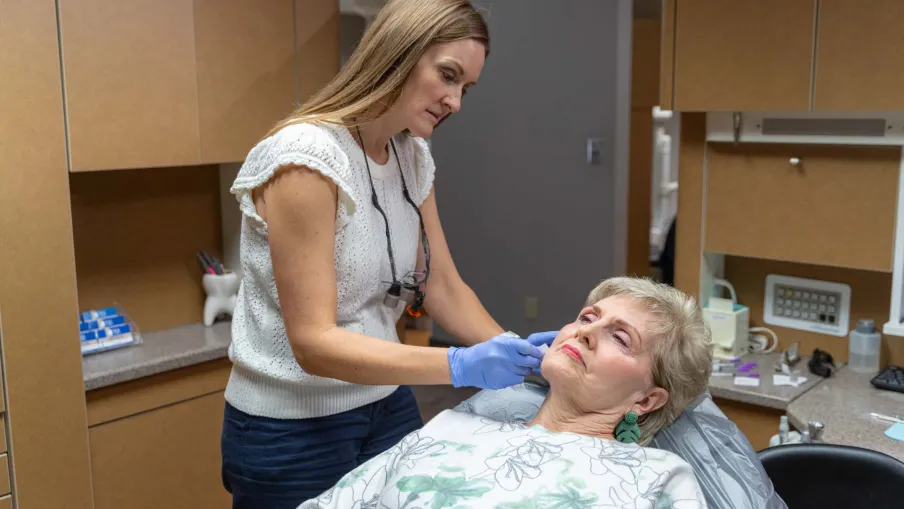
Botox treatment in Lenexa is an FDA-approved injection placed in targeted facial areas to relax tight jaw muscles. It helps your jaw move more easily and feel more comfortable again. If you clench your jaw, wake up with headaches, or feel soreness when you chew, visit us for treatment. Your jaw joints may be under constant stress. This problem, often called TMJ disorder, can make speaking, eating, and even resting feel uncomfortable. Botox can lessen the frequency and strength of your headaches. It can also reduce teeth grinding and clenching. Find out more about how we can help you manage and treat TMJ problems.
Dr. Knight Explains How Botox Can Stop TM Symptoms. Read video transcript.
Target Jaw Tension With Botox
Your temporomandibular joints (TMJs) connect your lower jaw to your skull. You use them every time you talk, chew, or yawn. When these joints or the nearby muscles get overworked, they can become sore and stiff. This can lead to jaw clicking, jaw locking, ear pain, and head and neck pain. We recommend Botox treatment in Lenexa to provide much-needed relief for your TMJ problems. It comes with numerous benefits, especially when administered by our trained medical team. You'll leave our office feeling better than when you arrived.
Minimally Invasive
We place small, precise injections into the overworked jaw muscles. There are no incisions, stitches, or long recovery time. You can usually return to your normal day right after your visit.
Fast Relief
Botox begins to relax the tight muscles soon after treatment. You'll notice your jaw feels looser and less sore within about one to two weeks. Daily tasks will much feel easier.
Easier Solution
Botox offers an alternative to controlling muscle tension without depending on a device. You will get the most relief if you combine it with an oral appliance, but it's still effective on its own.
Long-Lasting Effects
After Botox takes full effect, the results often last around three to four months. With regular treatments, you'll enjoy steady relief and better protection for your teeth for the long term.
Common Questions About Botox Treatment
How does Botox help with TMJ problems?
How does Botox help with TMJ problems?
Botox helps with TMJ problems by relaxing the tight muscles around your jaw. When these muscles stay tense, they can pull on your joints and cause pain, headaches, and grinding. By calming them down, Botox reduces strain on the TMJs. This can ease jaw pain, improve movement, and make daily activities like chewing and talking more comfortable.
What should I expect during a Botox appointment?
During your TMJ Botox visit, we start by reviewing your health history and listening to your symptoms. We then examine your jaw, bite, and muscles. The injections themselves are quick and use a very fine needle. You mainly feel only mild pressure, then return to normal activities right away.
How long does TMJ Botox relief usually last?
You typically start to feel relief within 10 to 14 days after treatment. The full effect often lasts about three to four months, though this can vary from person to person. When the benefits begin to fade, you can schedule a follow‑up visit. Regular treatments can help keep jaw tension lower over time.
Is Botox for TMJ painful or unsafe?
Most people find TMJ Botox treatment very tolerable. You may feel a quick pinch with each injection, but it is usually brief. When administered by trained dental professionals like our team and used at safe doses, Botox is considered a low‑risk, minimally invasive option for managing jaw muscle tension.
Will Botox for TMJ affect how I look or smile?
Our goal with TMJ Botox is to reduce pain, not to change how you look. We place injections in the overworked muscles responsible for clenching and grinding. We use precise doses and careful placement to avoid a "frozen" appearance. You won't notice a visible change in your smile. You mainly notice less pain and tension.
Can Botox replace a night guard or other TMJ treatments?
Botox can be very helpful for TMJ pain, but it is not always a full replacement for other treatments. You can likely get the best results when you combine Botox with a custom night guard or bite splint. The Botox relaxes the muscles, while the appliance protects the teeth and supports a healthier jaw position. We will recommend a plan based on your specific needs.
Who is a good candidate for Botox therapy?
You may be a good candidate for TMJ Botox if you have jaw pain, frequent headaches, or teeth grinding that has not improved with basic care. We will review your medical history, medications, and goals to see if Botox is a safe option for you. If it is, we will design a plan that fits your lifestyle.
How do I get started with Botox treatment for TMJ pain?
Getting started is simple. Call our office at 913-251-9683 to book a TMJ evaluation. At your visit, we will listen to your concerns, examine your jaw, and discuss your symptoms. If Botox is a good choice, we will explain the process and create a treatment plan that aims to reduce pain and protect your smile.
5 Stars (1464 Reviews)